BLOG SHIELD TI
Categoria: Cybersecurity
-

Machine learning in data protection is reshaping security with adaptive detection, fewer false positives, and faster response. Explore 2025 trends, high-impact use cases (email security, DLP, UEBA, ransomware detection), a practical implementation blueprint, and governance best practices aligned with NIST AI RMF.
-

Implement an effective information security policy in 2025 with a practical 10‑step plan, aligned to NIST CSF 2.0 and ISO/IEC 27001:2022. Learn the latest trends—zero trust, post‑quantum cryptography, cloud security—and turn policy into measurable, auditable practice.
-

Ransomware is one of the biggest cybersecurity threats facing businesses today. This article explores why corporate environments are prime targets, the latest prevention trends like Zero Trust Architecture, AI-powered threat detection, and Endpoint Detection and Response (EDR), along with best practices such as employee training, regular backups, patch management, and network segmentation. It also outlines…
-
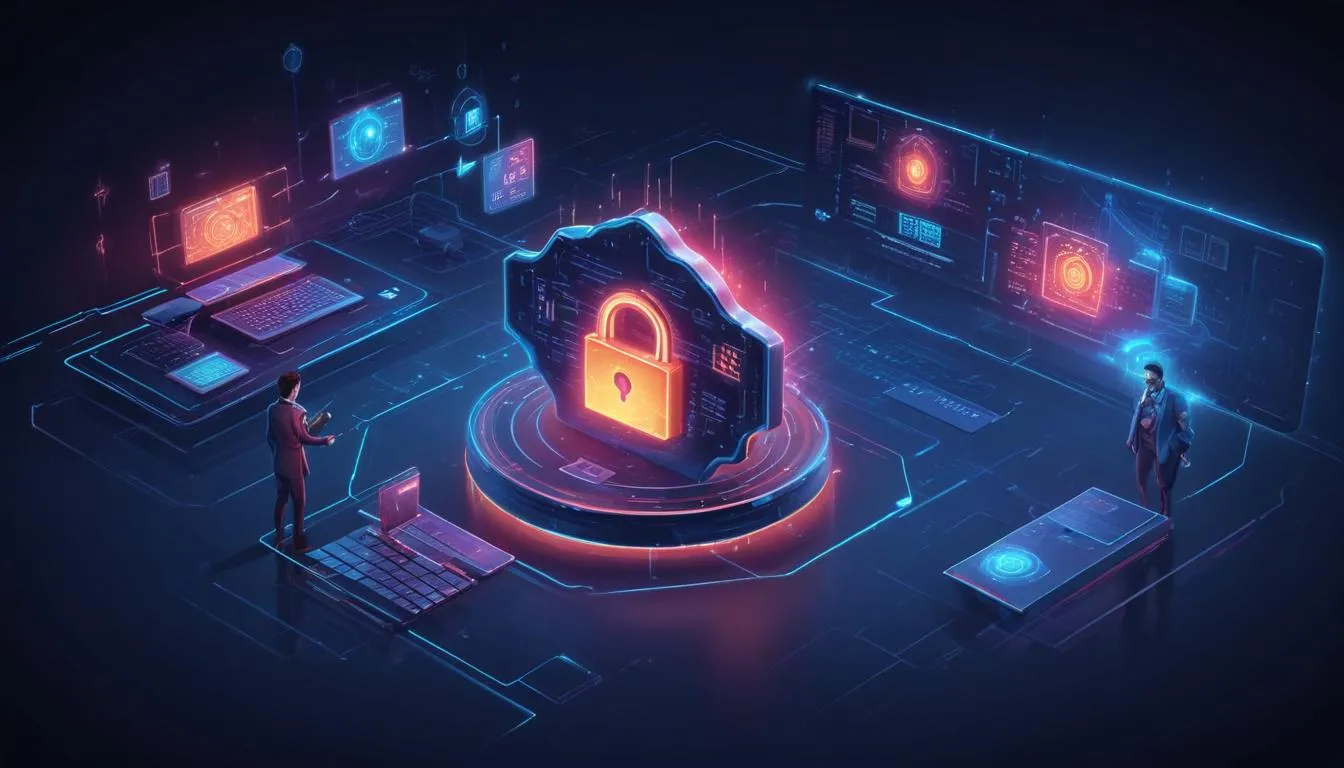
The article highlights the main cybersecurity trends for 2025, focusing on AI and Machine Learning, the impact of quantum computing, the importance of Zero Trust architecture, the challenges of cloud security, the role of the human factor, and the risks brought by the growth of IoT. The key takeaway is clear: companies that anticipate technological…
-
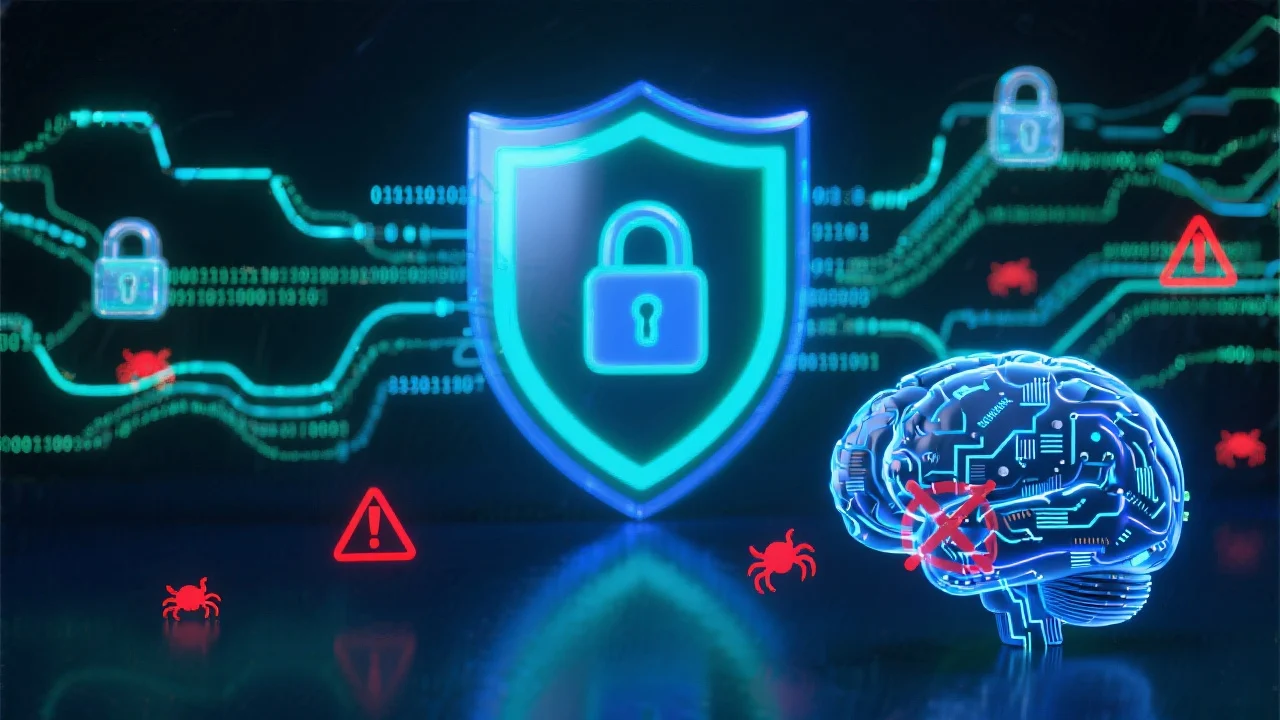
Artificial intelligence is reshaping the landscape of information security in 2025. AI-driven solutions now play a crucial role in detecting, preventing, and responding to cyber threats with unprecedented speed and accuracy. Key trends include real-time threat detection, predictive analytics for proactive defense, and advanced malware analysis that outpaces traditional antivirus tools. While AI brings powerful…
-

Discover how incident response automation is transforming cybersecurity in 2025. Learn about key components, SOAR platforms, practical use cases, and the benefits of automating threat detection and containment. Find out how to implement automation, overcome challenges, and prepare your organization for the future of cyber resilience.